
"washed Ethiopian arabica"
800 article(s) found
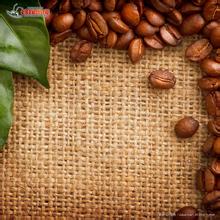
Classification of coffee beans in Ethiopia
The stability of Ethiopian water-washed beans is much better than that of sun-dried beans, whose flavor fluctuates greatly every year, so be sure to test it several times before buying in large quantities. If you buy good sun-dried beans, their flavor is much deeper than water-washed beans, but if you buy improperly handled sun-dried beans, it will certainly make people speechless, which is the wish of many coffee fans. How many Arabica subspecies are there in Ethiopia?

Flavor description method of Ethiopian Coffee Variety Manor
Flavor description of Ethiopian Coffee Variety Manor area Taste treatment Ethiopian Sidamo is a type of single origin that grows in Arabica coffee in Sidamo Province, Ethiopia. Like coffee in most African countries, Ethiopian Sidamo is characterized by small gray beans, but characterized by its rich, spicy, wine or chocolate-like taste and floral aroma. In

Introduction to the treatment methods of roasting degree and grinding degree of Ethiopian coffee flavor description varieties
Coffee is Ethiopia's most important export cash crop and the main source of Ethiopia's foreign exchange earnings. Ethiopia's coffee exports account for about 3% of the world market, making it the eighth largest coffee exporter in the world. Coffee exports increased steadily from 58000 tons in 1990 to 110000 tons in 1995-1996 and remained at this level in the following years. 2001-2002

Introduction to the taste of Ethiopian rose Lim G1 washed boutique coffee bean hand-made flavor in the new season of 2022
For more information on coffee beans, please follow the coffee workshop (Wechat official account cafe_style) Ethiopia is one of the major producers of Arabica coffee in Africa and produces the best Arabica coffee in the world. It is said that coffee is the most popular among shepherds in Essekafa.

A brief introduction to the History and Culture of the Origin and Development of Fine Coffee beans
Sun Yega snow coffee, beans are small and neat short round, Ethiopian sun beans are generally G3--G5, but this bean is G2, equal to the grade of washed beans, although there are still a few defective beans, but compared with Harald and Sidamo sun beans, it is commendable that Yirga cheffe is a small town in Ethiopia, 1700-2100 meters above sea level, is also Ethiopia

The producing area of Yega Chuefei Adoto, the grade of Yega Chefe Coffee.
Following Kaipai (Wechat official account vdailycom) found that the Beautiful Cafe opened a small shop of its own, a by-product area of Ethiopia's Sidamo region (Sidamo), which is independent because of its special flavor. In addition to the small town of Yega Xuefei, it also includes three by-product areas such as Wenago, Kochere and Gelena/Abaya around it. 1. Planting system and Environment Yega

Yega Xuefei baking method Yega Xuefei Adoto boutique hand brewed coffee roasting diagram
2. The traditional way of solarization in Ethiopia is rough and smelly, so it is popular by people.

The birthplace of Arabica Coffee-the main coffee producing area of Ethiopia-Sidama in Sidamo
For professional baristas, please follow the coffee workshop (Wechat official account cafe_style) Ethiopia is the birthplace of Arabica coffee and has the most diverse variety on earth. The main producing areas are Sidama, Yirgacheffe, Kochere, Harar, and Djimmah (there are many English place names in Ethiopia.
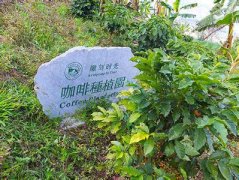
A brief introduction to the Origin and Development of Fine Coffee beans with elegant Fruit and Wine flavor
However, in the past two years, Yejia snow coffee is unusual, frequently launched amazing sun beans, and become a boutique market Deep-Fried Chicken! The beans are small, neat and round. Ethiopian sun beans are generally G3--G5, but this bean is G2, which is equal to the grade of washed beans. Although there are still a few defective beans, they belong to the sun beans compared to those of Harald and Sidamo.
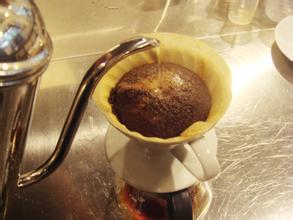
Ethiopia's Yegashifi Ethiopian boutique coffee
Although the Ethiopian Yirgacheffe coffee is petite, it is gentle and delicate and sweet. As the hometown of coffee, thousands of years of planting history and processing tradition in Ethiopia have created high-quality washed Arabica beans. Light baking has unique sweet aromas of lemon, flowers and honey, soft acidity and citrus flavors, fresh and bright on the palate. No.
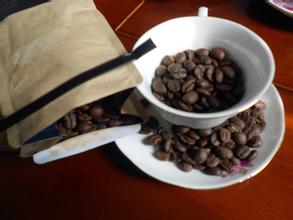
Ethiopian coffee Yega snow coffee beans
Although the Ethiopian Yirgacheffe coffee is petite, it is gentle and delicate and sweet. As the hometown of coffee, thousands of years of planting history and processing tradition in Ethiopia have created high-quality washed Arabica beans. Light baking has unique sweet aromas of lemon, flowers and honey, soft acidity and citrus flavors, fresh and bright on the palate. No.

Sidamo coffee tastes Ethiopian Sidamosi Dama candlelight
Ethiopian Sidamo is a type of single origin that grows in Arabica coffee in Ethiopia's Sidamo province. Like coffee in most African countries, Ethiopian Sidamo is characterized by small gray beans, but characterized by its rich, spicy, wine or chocolate-like taste and floral aroma. The most distinctive flavors found in all Sidamo coffee are lemon and citrus, bright.

Unique citrus Ethiopian sun Yega Sheffivoka Coffee Flavor
Although the Ethiopian Yirgacheffe coffee is petite, it is gentle and delicate and sweet. As the hometown of coffee, thousands of years of planting history and processing tradition in Ethiopia have created high-quality washed Arabica beans. Light baking has unique sweet aromas of lemon, flowers and honey, soft acidity and citrus flavors, fresh and bright on the palate. No.

Ethiopia Yega Sheffield Coffee introduces Iron pickup Coffee beans
Even the official research unit of Ethiopia does not know how many Arabica subspecies there are in Ethiopia. The coffee cooperatives in this mountain are certainly different from those planted in another mountain, and even small farmers in the same region grow different varieties of coffee. It has been estimated that there are at least 2000 varieties of Ethiopian coffee and even more than 4500 kinds of coffee. Compared to the southern neighbor

Sweet aroma of Ethiopian Yeshifi Woka Coffee Flavor Taste Manor Features Fine coffee
Ethiopia is the oldest coffee producing country, Ethiopian beans You can measure the flavor profile of all modern coffee beans, so to speak, Ethiopia is the gene pool of coffee, the source of all tastes. Ethiopia has the most coffee beans treated by ancient solarization, which is caused by the geographical factors of water shortage in Ethiopia. However, the ancient solarization is difficult to control, and the farmers 'operation quality is poor.

Soft sour washed Arabica Sidamo coffee beans characteristic price producing area taste and flavor introduction
Washed Arabica Sidamo Coffee Bean characteristic Price Origin Taste introduction Shakisso/Shakiso is located in the Guji producing area of Sidamo, the southern part of Oromia, close to Sidama and Gedeo. There are many pits in this area, which were used to mine gold in the early days, so there are many potholes in this coffee growing area. It makes people in coffee.

Ethiopian Water washing Yega Flavor introduction to Ethiopian Yega Xuefei Water washing Flavor
Professional coffee knowledge exchange more coffee bean information please follow the coffee workshop (Wechat official account cafe_style) in front of the street washing Yega Fishinu small farmers introduced Ethiopia is not only in the production of coffee, in coffee drinking, but also the country with the longest history in the world. Most of the production is exported to advanced countries, unlike other coffee producing countries.

Introduction to the taste of grinding scale for sweet Ethiopian coffee bean flavor description
Ethiopian beans are easily recognizable, mostly small and pointed long beans, known as longberry, and often mixed with small oval-shaped short beans, called shortberry, which look uneven in size and appearance. The commercial bulk beans of Grade4 or Grade5 are mostly mixed with hundreds of different crystal seeds in different producing areas, so the phenomenon of uneven bean phase is the most obvious.

A brief introduction to the treatment method of grinding degree and baking degree of Yega Xuefei Adoto boutique coffee beans with rich fruit flavor
The grading system of Ethiopian coffee is not based on the number of items, but on the proportion of defective beans in raw beans. In October 2009, Ethiopia launched the ECX boutique coffee trading grading system. Through the evaluation of raw beans, Q-Grader made the following grades: washed Yega Xuefei is divided into two grades: Grade 1 and Grade 2, sun Yega Xuefei is divided into Grade 1,

Hometown of Arabica Coffee beans-introduction to the description of the characteristics, flavor and taste of Ethiopian coffee varieties
Professional coffee knowledge exchange more coffee bean information Please note that the coffee workshop (Wechat official account cafe_style) is also a member of Arabica, why are some coffee beans so expensive? This article will introduce: national Geographic and Coffee planting History and Coffee Bean characteristics National Geographic and